

Recent from the Bugle

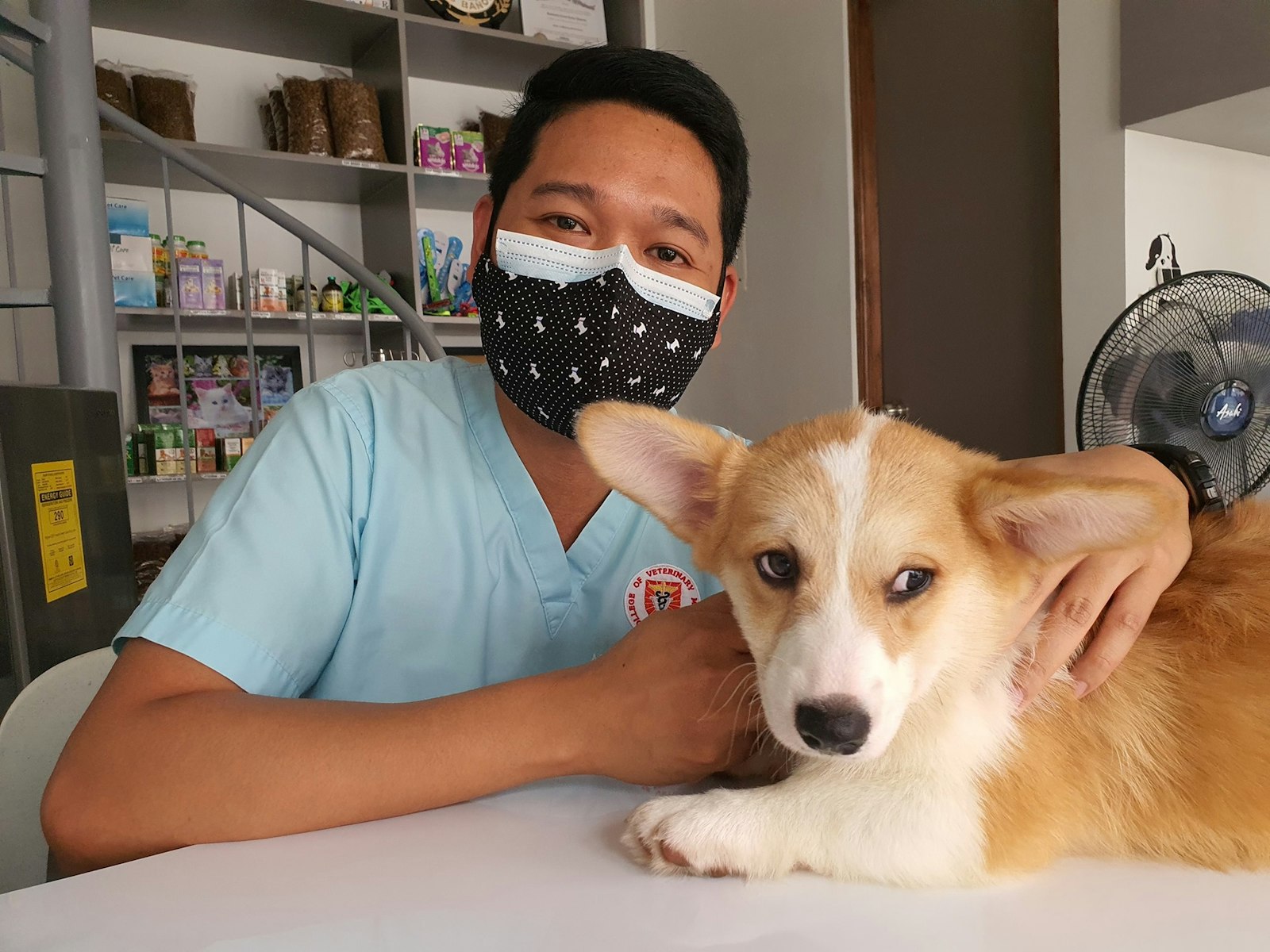
"My dog is scratching nonstop. Is it allergies or fleas?" It's the question Dr. Liz hears most in September, and the answer usually comes down to where the scratching is happening.
"Check where he's scratching. Fleas usually hit the lower back and the base of the tail. Part the fur there, or run a fine-tooth comb through it, and look for little black specks. That's flea dirt. Allergies show up on the paws, belly, ears, and face, and a dog who's constantly licking his paws is usually an allergy dog, not a nervous one. If you're not sure, treat for fleas first. It's the easier problem to rule out, and I'm happy to help if it doesn't settle."
The 30-second check
- Lower back and base of the tail → probably fleas. Part the fur or run a fine-tooth comb through it and look for black specks. Put a few on a wet paper towel; if they turn reddish-brown, that's flea dirt (digested blood), and you have your answer.
- Paws, belly, ears, face, or constant paw licking → probably allergies. Start the wipe-down routine (a baby wipe or any gentle, fragrance-free pet wipe is fine) and call the vet if it lingers past two weeks.
- Not sure? Treat for fleas first. It's the easier one to rule out.
Why Tulsa dogs get both
Our humid summers and mild winters keep fleas active nearly year-round, and the same September ragweed that has half of Tulsa reaching for tissues is landing on your dog's paws every walk. It is common to be dealing with both at once, which is why a dog on solid flea prevention who is still itchy is usually an allergy case.
When it's neither
Mites, ringworm, and food sensitivities can look similar. Hair loss in patches, a strong smell, or scabs that spread are signs it's time for a proper exam rather than another week of guessing.
Dr. Liz is the founder of Sunshine Mobile Vet, which brings wellness care to driveways across Tulsa. Call 918-488-6575 or book online. Have a question for her? Email admin@dogbugle.com and it may be answered in an upcoming Ask the Vet.
Ask the Vet is general education, not a substitute for an exam. If your dog seems unwell, call your veterinarian.