

Recent from the Bugle
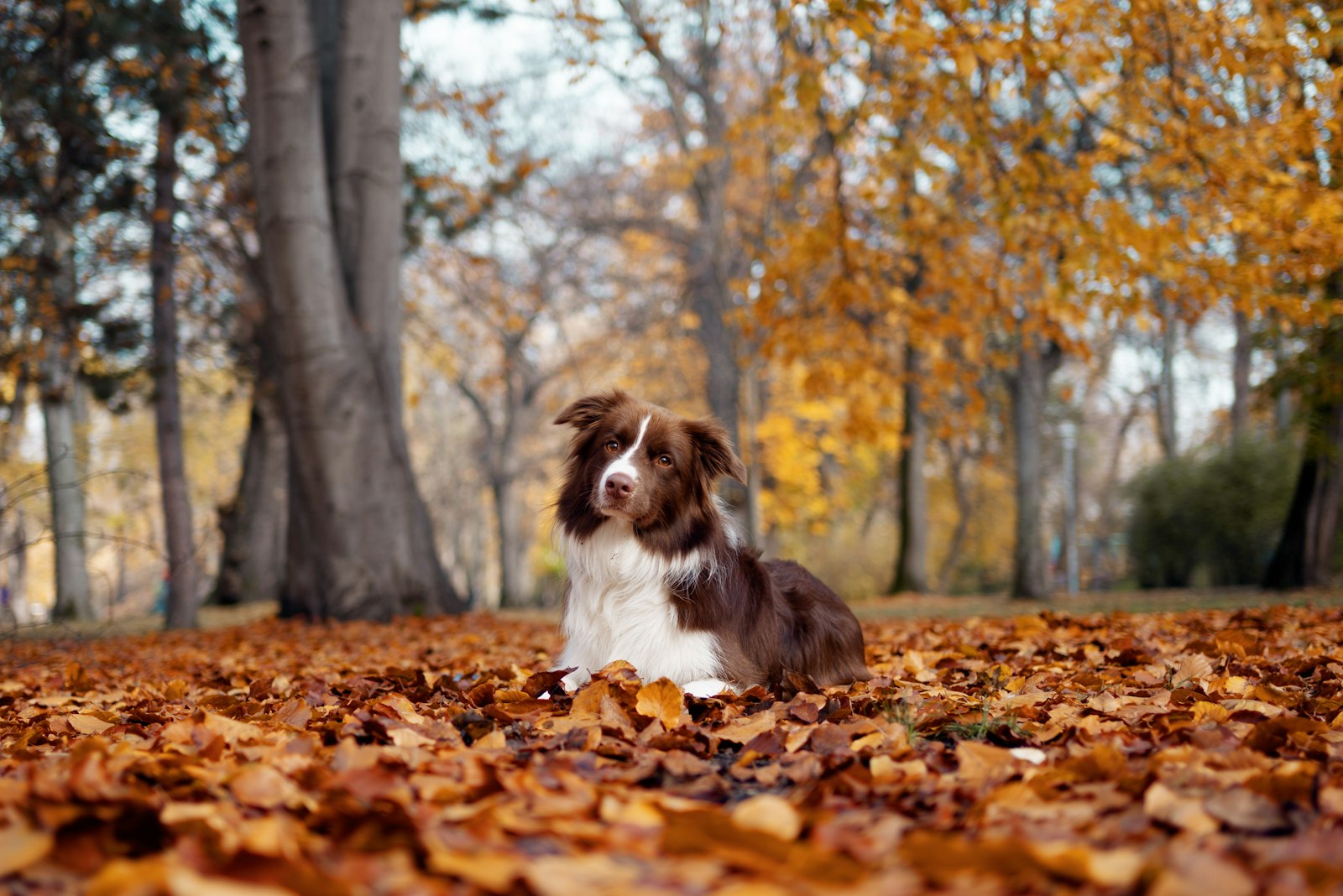
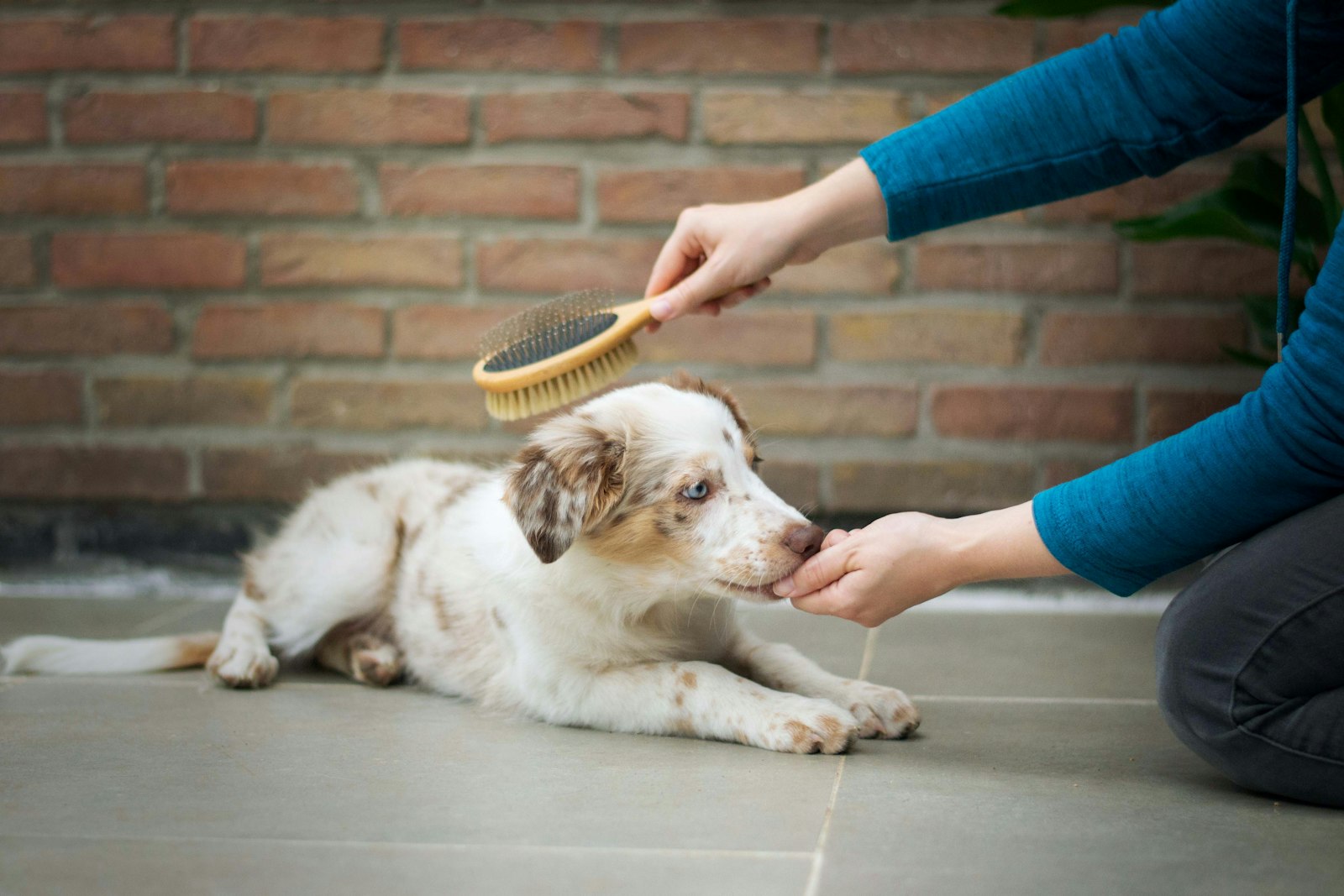
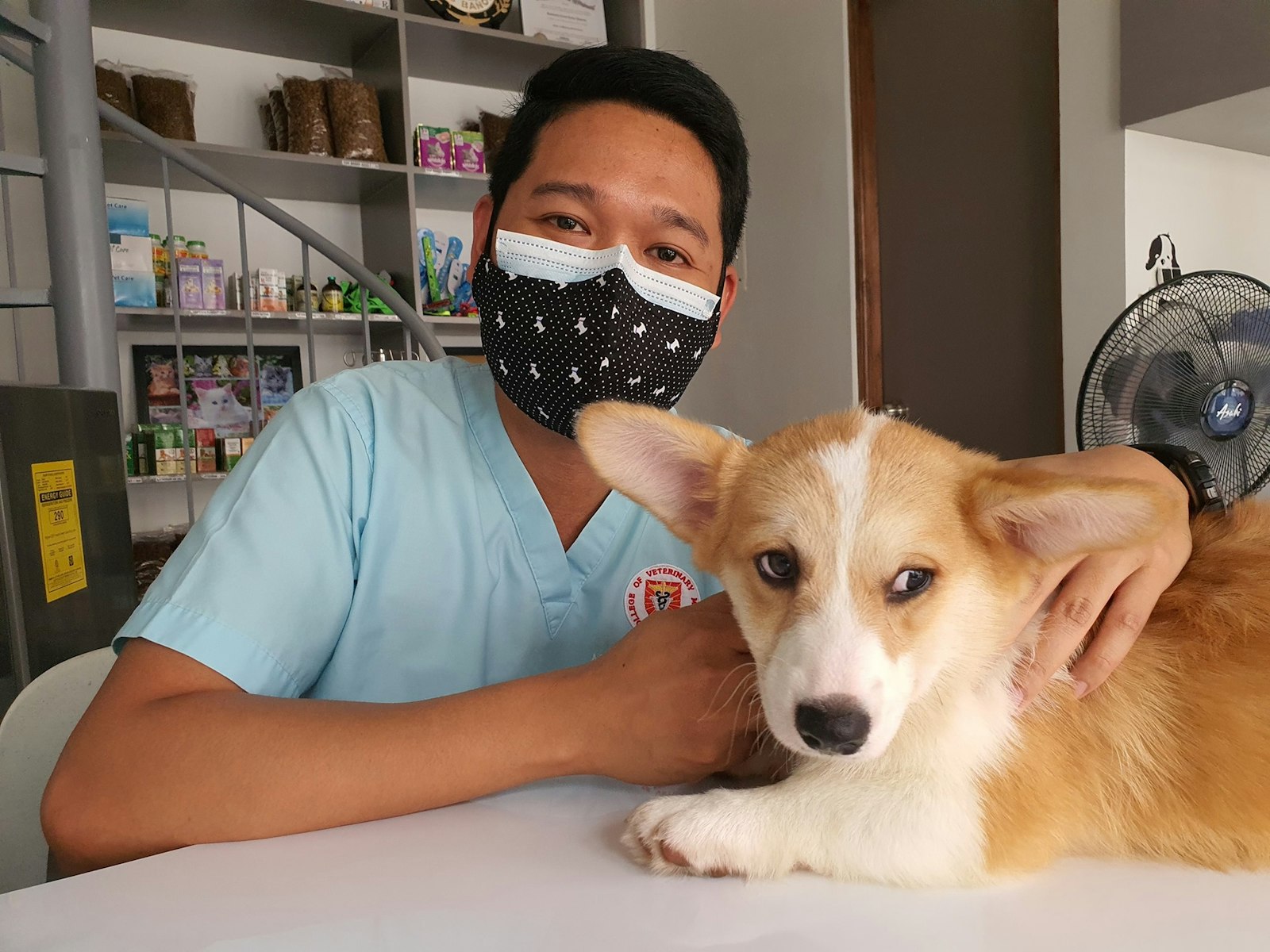
Scooping the yard is where most of us stop. It is also where the real problem starts, because what makes a dog sick isn't the pile you can see. It's what the pile leaves behind.
What stays in the grass
Roundworm and hookworm eggs, giardia cysts, parvovirus, and the bacteria behind most "mystery" stomach upsets can all survive in soil for weeks to months. Tulsa's warm, humid summers and mild winters are close to ideal for them. A dog who sniffs, digs, or licks a paw after walking through that patch can reinfect themselves over and over, which is why some dogs never seem to clear a parasite even after treatment.
The Clean Ground Protocol
- Remove daily, or at least every other day. The longer waste sits, the more eggs mature to the infectious stage. Roundworm eggs take about two to four weeks to become infectious, so speed matters.
- Sanitize the ground, not just the surface. Rinsing spreads contamination. A licensed antimicrobial treatment applied to the soil is what actually reduces the load. In Oklahoma this requires an Antimicrobial Applicator License, which is worth asking any yard service about.
- Keep the dog on year-round parasite prevention. Most monthly heartworm preventives also cover roundworm and hookworm. Prevention plus clean ground is what breaks the cycle.
Signs your yard is the problem
A dog who gets soft stool every few weeks, a puppy who keeps testing positive for worms, or a household where one dog passes it to the next. If that sounds familiar, the fix is usually outside, not inside.
Our partner for this
Clover is veteran-owned, based in Tulsa, and licensed to sanitize (Oklahoma Antimicrobial Applicator License #10634). They scoop and treat yards weekly so the ground is actually ready for bare feet and bare paws. Bugle readers get 10% off with code DOGBUGLE10.