

Recent from the Bugle
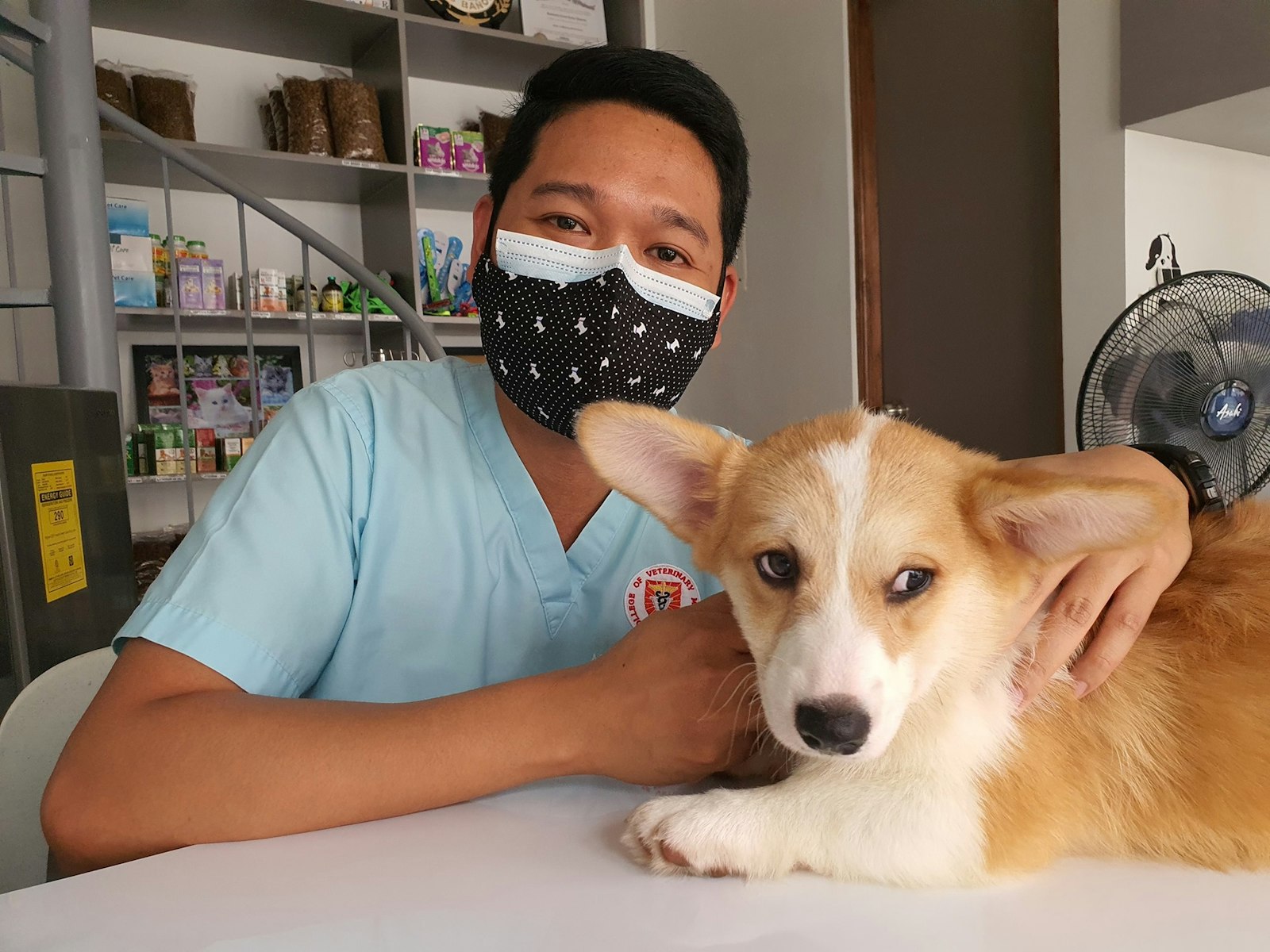
Tulsa is a great place to be a dog. It is also a great place to be a parasite. Here's the short guide to the ones Dr. Liz sees most, and what prevents them.
Roundworm and hookworm
How dogs get them: from contaminated soil, either by licking paws or eating grass. Puppies can get them from their mother. Why it matters: both can spread to people, especially children who play in the same yard. Prevention: monthly preventives that include a dewormer, plus clean ground.
Giardia
How dogs get it: drinking from puddles, creeks, or shared water bowls at the park. Signs: on-and-off soft stool with a distinctive smell. Prevention: carry your own water, and don't let your dog drink from standing water after Tulsa's summer storms.
Heartworm
How dogs get it: a single mosquito bite. Oklahoma is one of the higher-risk states in the country. Why it matters: treatment is expensive, months long, and hard on the dog. Prevention: a monthly chew or a yearly injection, every month, every year. Skipping January is how dogs test positive in June.
Fleas and ticks
How dogs get them: the yard, the park, the trail, the neighbor's dog. Why it matters: fleas carry tapeworm; ticks in Green Country carry ehrlichia and Rocky Mountain spotted fever. Prevention: a vet-recommended monthly product. Most of the store-shelf collars don't hold up to Oklahoma summers.
"If a dog is on solid monthly prevention and lives on ground that gets cleaned, I almost never see them for parasites. It really is that simple, and that rare."
The yearly checklist
- Heartworm test once a year.
- Fecal test once a year (twice for puppies and dogs who go to daycare or parks).
- Prevention twelve months a year.
- Yard scooped and sanitized on a schedule.
Dr. Liz is the founder of Sunshine Mobile Vet, which brings wellness care to driveways across Tulsa. Have a question for her? Email admin@dogbugle.com and it may be answered in an upcoming Ask the Vet.
Ask the Vet is general education, not a substitute for an exam. If your dog seems unwell, call your veterinarian.